

Best Private Chef in Bath
Meet the Chef
Originally from London, Dan Moon moved to Devon while still young, and it was there, as a teenager, that his love of cooking properly took hold.
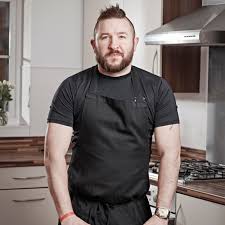
His career began at fifteen with a weekend job as a kitchen porter. Before long, Dan realised the pace, pressure and pride of a professional kitchen felt completely natural to him. He doubled down on that direction by studying catering at Exeter College, while also gaining early experience in his first AA Rosette kitchen, learning the standards, discipline and detail that shape great chefs.
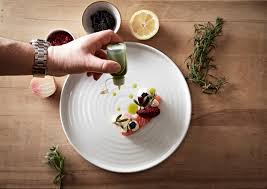
After qualifying, Dan moved to Bath to broaden his horizons and chase bigger opportunities. In 2010, he achieved a major milestone, being awarded AA 3 Rosettes at Homewood Park Hotel, just outside the city. That same year, he was named “Chef of the Year” by his luxury hotel group, taking the title ahead of 30 other chefs. It marked the beginning of a strong run of recognition, and in 2011 he went on to win a Caterer Acorn Award, celebrating 30 rising stars under 30 across the hospitality industry.
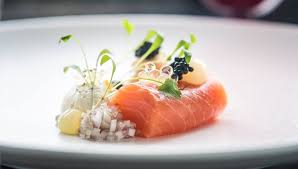
In 2016, Dan took on the role of Executive Head Chef at the luxurious Gainsborough Bath Spa, a YTL-owned hotel. During this period, he travelled to several of the group’s leading hotels in Kuala Lumpur and Singapore as a guest chef, experiences that helped shape a deeper passion for Asian flavours and the way they can elevate classical cooking. In 2017, just thirteen months into the role, Dan was awarded AA 3 Rosettes for the second time in his career. In the very same year, the hotel itself was also named AA Hotel of the Year.
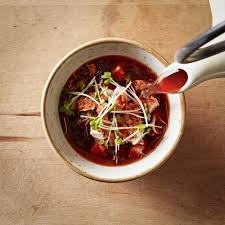
To recognise the impact of his work, the owners granted Dan the rare honour of placing his name above the door, leading to the creation of “Dan Moon at The Gainsborough Bath Spa”, a moment he still regards as a genuine privilege.
Most recently, Dan was delighted to be named “Best Chef” at the 2020 Food Readers Awards.
The History of Private Chefs
The role of the private chef is far older than many people realise, stretching back thousands of years to a time when food was as much a symbol of power and status as it was nourishment.
In ancient civilisations such as Egypt, Greece and Rome, wealthy households employed personal cooks whose sole responsibility was to serve the family and their guests. These early private chefs were trusted figures, often holding senior positions within the household, because access to food meant access to influence. In Roman times, elite families competed through lavish banquets, and a skilled cook could elevate a host’s reputation dramatically.
During the Middle Ages, private chefs became central to royal courts and noble estates across Europe. Castles and manor houses maintained large kitchens staffed by specialist cooks, bakers and sauciers, all overseen by a head cook who would today be recognised as a private chef. Their work was about more than flavour. Presentation, spectacle and symbolism played key roles, with dishes designed to impress visiting dignitaries and demonstrate wealth.
The Renaissance marked a turning point. Cuisine became more refined, written recipes became more common, and chefs began to gain individual recognition for their skill. In France and Italy especially, private chefs serving aristocratic families pushed culinary boundaries, experimenting with technique, balance and artistry. Many of the foundations of classical European cooking were developed in these private kitchens long before restaurants became widespread.
By the 18th and 19th centuries, the role evolved further. As social structures changed, some private chefs transitioned into running public dining establishments, giving rise to the modern restaurant industry. However, the most prestigious chefs continued to work privately for royalty, industrialists and high society families, often enjoying greater creative freedom and stability than their restaurant counterparts.
In the 20th century, private chefs expanded beyond palaces and estates. Wealthy families, celebrities and business leaders increasingly sought personalised dining experiences in their homes, on yachts and while travelling. Privacy, discretion and adaptability became as important as technical skill. A private chef was no longer just a cook, but a trusted professional who understood individual tastes, dietary needs and lifestyle rhythms.
Today, private chefs represent the pinnacle of bespoke dining. They combine classical training with modern influences, global flavours and nutritional awareness. Whether cooking for intimate family meals, exclusive events or extended stays, private chefs offer something restaurants cannot, a deeply personal culinary experience shaped entirely around the client.
From ancient courts to modern homes, the history of private chefs is a story of craftsmanship, trust and evolution, proving that the desire for exceptional, personal food has always been part of human culture.
This page has been sponsored by www.yuzubydanmoon.co.uk
For only £35 a month you can also have your own dedicated page, which will enhance your websites ranking in Google, ChatGPT and more.
If you would like to be added to the Bath Business Directory, please complete the form below and a member of our team will be in touch.